
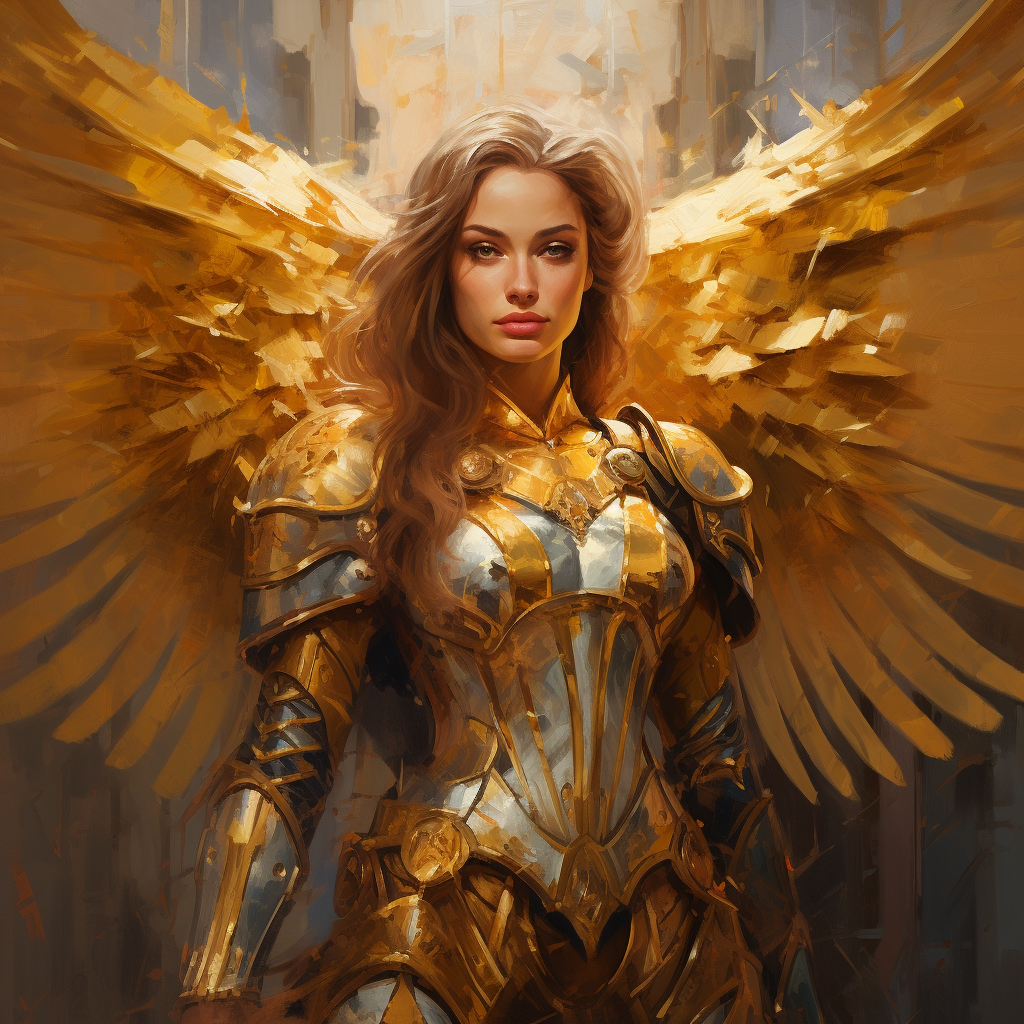
Angels have long been a subject of fascination and inspiration for countless cultures and religions throughout history. Often depicted as celestial beings with wings and a divine presence, angels are believed to serve as messengers, guardians, and intermediaries between the spiritual realm and humanity. In this exploration of angels, we will delve into their origins, roles, and symbolism, shedding light on these ethereal beings.
The concept of angels dates back to ancient civilizations such as Mesopotamia, where winged figures were associated with divine protection. However, it was within the Abrahamic religions, namely Judaism, Christianity, and Islam, that angels gained significant prominence. In these faiths, angels are considered supernatural beings created by God to carry out His will and serve as a bridge between the earthly and heavenly realms.
Angels are often portrayed as benevolent entities with heavenly attributes. They are believed to possess great knowledge and wisdom, acting as messengers to deliver important revelations or guidance from the divine. For instance, in the Bible, the angel Gabriel plays a pivotal role in announcing the forthcoming births of John the Baptist and Jesus Christ.
In addition to their role as messengers, angels are also seen as protectors and guardians. They are believed to watch over individuals, offering comfort, support, and divine intervention when needed. This belief is particularly strong in times of distress, when people seek solace and divine assistance.
Throughout religious texts, angels are described as having various ranks and hierarchies. For example, in Christianity, there are archangels, such as Michael and Raphael, who hold significant authority and power. They are considered chief messengers and defenders against evil forces. Each religion has its own classification system and names for different types of angels, highlighting their diverse functions and characteristics.
Angels are often depicted with wings, symbolizing their ability to traverse between the physical and spiritual realms. This imagery is prevalent in art, literature, and popular culture, portraying angels as ethereal beings soaring through the heavens. The wings also represent freedom, grace, and divine transcendence.
Beyond religious contexts, angels have become ingrained in popular imagination and culture. They have been portrayed in various forms of media, from classical artworks to modern movies and literature. Often associated with beauty, purity, and goodness, angels have captured the collective imagination and continue to inspire awe and wonder.
While angels hold immense significance for many, their existence remains a matter of faith and belief. Skeptics view angels as metaphors or symbolic representations of higher ideals, while others find solace in their presence and guidance. Regardless of personal beliefs, the concept of angels serves as a reminder of the human longing for spiritual connection and the eternal quest for transcendence.
In conclusion, angels occupy a significant place in religious traditions and cultural lore worldwide. These celestial beings are revered as messengers, guardians, and intermediaries between the divine and humanity. Whether as agents of revelation, protectors in times of need, or symbols of beauty and grace, angels continue to inspire and captivate our collective imagination. They embody the timeless pursuit of a connection to the divine and the yearning for a higher purpose in our existence.
