
The History and Evolution of Tattoos: From Ancient Art to Modern Masterpieces
Tattooing is an ancient art form that spans thousands of years and has evolved dramatically over time. From its beginnings in various indigenous cultures to its modern-day presence, tattoos have served as markers of identity, status, spirituality, and personal expression. The journey of tattoos from a symbol of rebellion to mainstream art in places like Manchester, UK, highlights the changing societal attitudes toward body art and its growing popularity.
The Ancient Roots of Tattoos
The history of tattoos dates back as far as 5,000 years, with evidence found in various ancient cultures. The famous “Iceman,” a mummified body discovered in the Alps, had tattoos that were likely created for therapeutic reasons. In Polynesian, Egyptian, and Native American cultures, tattoos were deeply symbolic, marking rites of passage, tribal affiliations, or religious beliefs. Over time, tattoos were carried from one civilization to another, with sailors in the 18th and 19th centuries helping to spread the art form worldwide.
Tattooing in the Modern Era
In the modern world, tattoos have transformed from a niche practice to a widely accepted form of self-expression. This shift began in the early 20th century when tattoos became associated with countercultures like sailors, bikers, and rock musicians. For many years, they carried a stigma, symbolizing rebellion or being outside of the mainstream. However, beginning in the 1970s and 80s, attitudes began to change. People from all walks of life, including celebrities, began to embrace tattoos, propelling them into popular culture.
The tattoo industry has evolved with this change. Innovations in technology, hygiene standards, and artistic techniques have made tattoos safer and more accessible. Today, tattoo artists are often regarded as highly skilled professionals, and studios are held to high standards of cleanliness and professionalism.
Black and Grey vs. Colored Tattoos
One of the most notable differences in tattoo styles is between black and grey and colored tattoos.
Black and grey tattoos use varying shades of black ink, often creating a more muted, realistic look. They are particularly popular for portraits, fine line art, and designs requiring a lot of shading. These tattoos tend to age well, as black ink typically holds its color longer than other pigments.
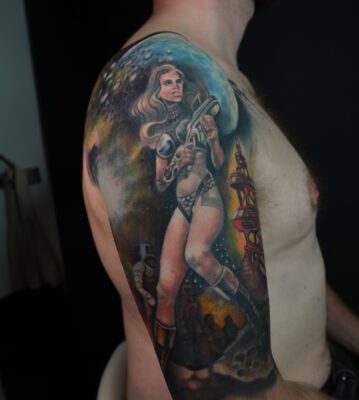
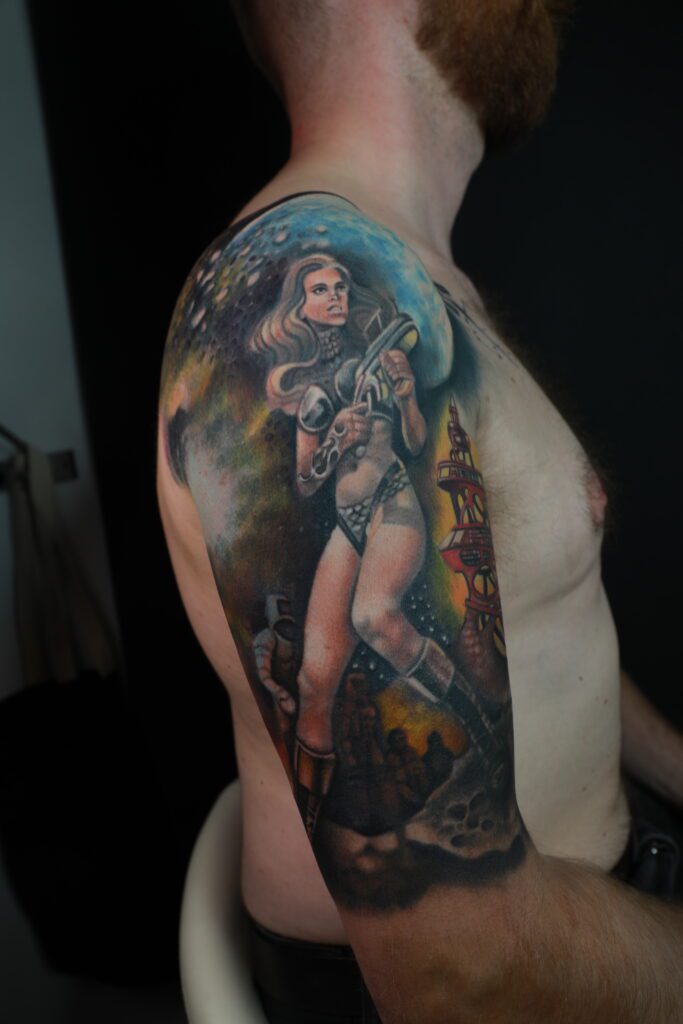
On the other hand, colored tattoos offer vibrancy and the ability to incorporate a broader palette of hues. From bright reds to deep blues, colored tattoos can bring a design to life in a way that black and grey may not. While stunning, colored tattoos may fade more quickly, requiring touch-ups to maintain their brilliance over time.
Tattoos in Manchester, UK
In recent years, Manchester has become a hub for tattoo culture in the UK. Known for its vibrant art scene and diverse population, the city has seen a rise in the number of tattoo studios, catering to all styles and preferences. Tattoo conventions and events are held regularly, attracting both local talent and international artists. The acceptance of tattoos as an art form has helped elevate the industry, making tattoos a celebrated part of Manchester’s creative and cultural identity.
Tattoos have come a long way from their ancient origins. Today, they are a symbol of personal expression and creativity, with cities like Manchester leading the charge in embracing this once-marginalized art form.