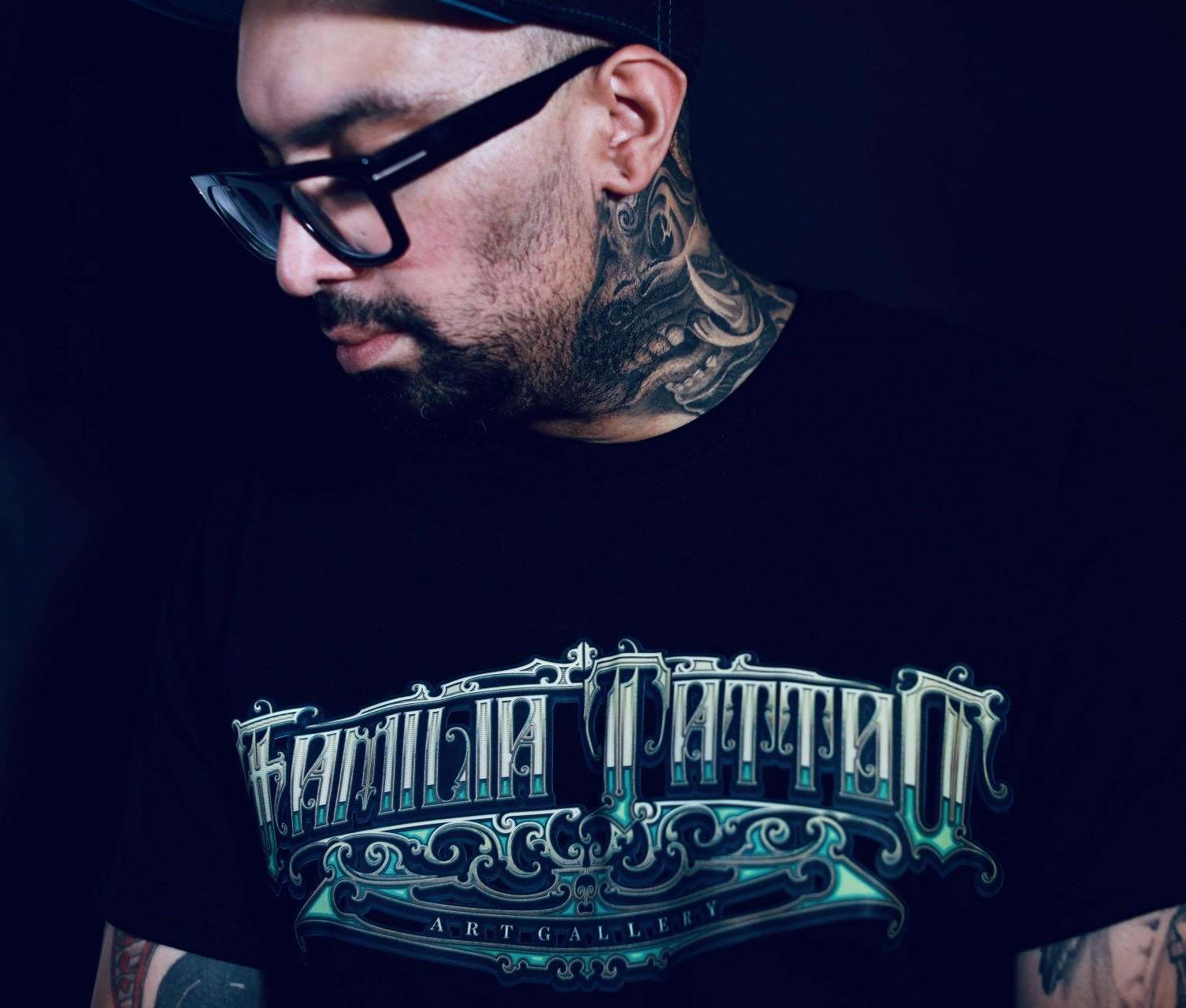

Manchester Tattoo Artist Louis Santos

Bats, Riddles, and Neon Lights: Batman Forever in Pop Culture” “Batman Forever,” released in 1995, marked a significant shift in the portrayal of Batman on the silver screen. Directed by Joel Schumacher, it veered away from the darker tones of Tim Burton’s Batman films and embraced a more flamboyant, neon-drenched aesthetic. The film featured Val Kilmer as the Caped Crusader, with a star-studded cast including Tommy Lee Jones as Two-Face and Jim Carrey as The Riddler. It was a box office success, grossing over $336 million worldwide, and played a pivotal role in solidifying Batman’s status in pop culture. The Batman character, created by Bob Kane and Bill Finger in 1939, had always been a prominent figure in comic books. However, it was the adaptations in other media that catapulted Batman into an icon beyond the pages. The 1960s television series starring Adam West, though campy, was the first to bring Batman into the living rooms of millions, setting the stage for the character’s enduring popularity. Tim Burton’s darker, gothic interpretation in the late 1980s further expanded Batman’s appeal, reaching a wider, more mature audience. “Batman Forever,” while controversial among fans for its tonal shift, undeniably contributed to the Batman legacy. It introduced a new generation to Gotham City, a place of exaggerated comic book realities, and larger-than-life villains. The film’s production design, characterized by its bright, neon lights and over-the-top costumes, gave it a distinctive look that was both praised and criticized. It reflected the era’s pop culture trends, leaning into a more MTV-style visual flair. The portrayal of Batman in “Batman Forever” also had a lasting impact. Val Kilmer’s Bruce Wayne was a more introspective character, dealing with his past and the psychological implications of being Batman. This added depth, despite the film’s overall lighter tone, resonated with audiences and contributed to the character’s multi-dimensional appeal. Moreover, Batman’s evolution in pop culture is evidenced by the way fans express their dedication. Batman tattoos have become a popular way for fans to showcase their affinity for the Dark Knight. These tattoos often feature iconic symbols associated with the character, like the Bat-Signal or the Batman logo, and characters from the various movies, including those from “Batman Forever.” This form of expression reflects the deep impact Batman has had on its audience, transcending beyond just being a comic book hero to becoming a symbol of resilience, justice, and the complexity of human nature. Batman’s journey in popular culture, bolstered by films like “Batman Forever,” illustrates how a character can evolve and adapt to the times while maintaining its core essence. The film, despite its polarizing reception, played a crucial role in this journey. It bridged the gap between the darker, more serious Batman of the 1980s and the more fantastical, comic-inspired version of the late 1990s and early 2000s. In conclusion, “Batman Forever” is more than just a 90s superhero film. It’s a cultural artifact that reflects the era’s pop culture and contributed significantly to the enduring legacy of Batman. The character’s ability to adapt and resonate with audiences across generations is a testament to its complexity and appeal. The phenomenon of Batman tattoos is just one example of how deeply this character has been etched, both metaphorically and literally, into the fabric of pop culture. Batman, as portrayed in “Batman Forever,” remains a symbol of the ever-changing, yet constant nature of heroes in our society.