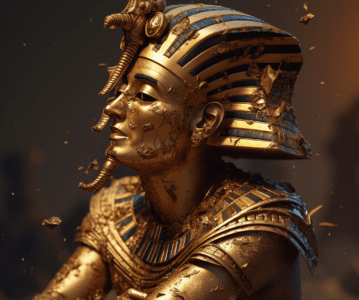

*Purpose of the Pyramids in Egypt:** The pyramids of Egypt, most famously exemplified by the Giza Pyramids, are iconic structures that served both practical and spiritual purposes in ancient Egyptian society. These monumental tombs were built primarily to house the bodies of pharaohs and high-ranking officials after death, as well as to provide them with the necessary provisions and offerings for the afterlife. The construction of pyramids was a meticulously planned endeavor that involved immense labor and engineering ingenuity. The pyramids were intended to serve as eternal resting places for the deceased rulers, ensuring their safe passage to the realm of the gods and their continued existence in the afterlife. The pyramids’ design was deeply symbolic: the sloping sides represented the rays of the sun, while the pointed apex symbolized the pharaoh’s ascent to the heavens. The pyramids were also constructed to align with cosmic and religious beliefs. Many pyramids were oriented toward specific celestial events, such as the position of stars or the solstices. This connection to the cosmos emphasized the divine nature of the pharaoh and their link to the gods and the eternal cycle of life and death. **Spirituality in Ancient Egypt:** Spirituality held a central place in ancient Egyptian culture and society. The Egyptians believed in a complex pantheon of gods and goddesses, each associated with various aspects of life, nature, and the cosmos. These deities played a crucial role in maintaining order (ma’at) and balance in the universe. The Egyptians’ spiritual beliefs influenced every facet of their lives, from politics to daily routines. The pharaoh, as both a political and spiritual leader, held a unique position. They were believed to be a living deity, often considered the earthly embodiment of the falcon-headed god Horus. The pharaoh’s role included ensuring ma’at, the cosmic order, and performing rituals to maintain harmony with the gods. Rituals and ceremonies were an integral part of Egyptian spirituality. Temples dedicated to various deities were constructed throughout the land, where priests and priestesses performed elaborate rituals to appease the gods, seek their blessings, and maintain cosmic equilibrium. Offerings, prayers, and incense were presented to the gods as gestures of devotion and gratitude. The belief in the afterlife was a central component of Egyptian spirituality. The idea that life continued beyond death was foundational to their culture. This belief drove the construction of tombs, including the pyramids, and led to the creation of intricate burial practices, such as mummification. The Book of the Dead, a collection of spells and instructions for the afterlife, was a guide to help the deceased navigate the challenges they would face in the underworld and ultimately achieve eternal life. In conclusion, the purpose of the pyramids in Egypt was multifaceted, serving both practical and spiritual functions. They were monumental tombs designed to ensure the safe passage of pharaohs and dignitaries to the afterlife while aligning with cosmic and religious beliefs. The ancient Egyptians were profoundly spiritual, with their beliefs in gods, rituals, and the afterlife permeating all aspects of their society. Their spiritual worldview provided a framework for understanding their place in the cosmos and maintaining harmony with the divine forces that governed their world.
 |
|